Homes for Sale in Oakridge, London Ontario
London's Most Established West-End Neighbourhood
Own a home in Oakridge? Get an instant ballpark estimate of what it might be worth.
As of October 5, 2026, Oakridge has a median list price of $634,900, 45 active listings, and an average of 53 days on the market.
Based on active MLS® listings from every REALTOR®, not just Justin's — updated weekly. See more Oakridge market questions, answered → Compare Oakridge to every other London neighbourhood →
Homes for Sale in Oakridge
Every active MLS® listing in Oakridge, from every brokerage — not just Justin's own. Powered by REALTOR.ca data.

519 Riverside Drive 24, London North, ON N6H 5J3
Courtesy of KELLER WILLIAMS LIFESTYLES

1102 Prince Philip Drive, London North, ON N6H 4E5
Courtesy of RE/MAX CENTRE CITY REALTY INC.

645 Riverside Drive, London North, ON N6H 2S2
Courtesy of CMI REAL ESTATE INC.

70 Fiddlers Green Road 104, London North, ON N6H 4R4
Courtesy of ROYAL LEPAGE TRILAND REALTY

16 Fitzwilliam Boulevard, London North, ON N6H 5H9
Courtesy of THE REALTY FIRM INC.

12 Guildwood Walk, London North, ON N6H 3X2
Courtesy of THRIVE REALTY GROUP INC.

1223 Royal York Road, London North, ON N6H 4A1
Courtesy of RE/MAX CENTRE CITY REALTY INC.

519 Riverside Drive 39, London North, ON N6H 5J3
Courtesy of ROYAL LEPAGE TRILAND REALTY

521 Riverside Drive 315, London North, ON N6H 5E2
Courtesy of REAL BROKER ONTARIO LTD
About Oakridge
Oakridge sits between Wonderland Road and Sanatorium Road along the Oxford Street corridor in West London. Most homes were built between the 1950s and 1980s, offering buyers solid construction on generous lots lined with mature trees. The neighbourhood is centred around Oakridge Optimist Park, Sifton Bog conservation area, and some of London's highest-rated elementary and secondary schools. Residents enjoy walkable access to Hyde Park Road shops, Oxford Street businesses, and a tight-knit community that throws block parties and knows its neighbours by name.
Neighbourhood Highlights
- Mature tree-lined streets on generous lots
- Walking distance to Sifton Bog Nature Reserve
- Oakridge Optimist Park — fields, tennis, splash pad
- Top-rated elementary and secondary schools
- 10-minute drive to downtown London
- Excellent walkability to shops on Hyde Park & Oxford
- Consistently ranked among London's safest neighbourhoods
Nearby Schools
- John Dearness Public School
- Clara Brenton Public School
- Riverside Public School
- Notre Dame Catholic School
- St. Paul Catholic School
- Matthews Hall
- Oakridge Secondary School
- St. Thomas Aquinas Catholic Secondary School
- École élémentaire Marie-Curie
Schools in Oakridge
In-boundary elementary and secondary schools for families buying in Oakridge, London Ontario.
E Elementary Schools
John Dearness Public School
TVDSBHighest-rated elementary school in London · #38 of 3,047 in Ontario · Top 2%
Full ratings & detailsClara Brenton Public School
TVDSB#532 of 3,047 elementary schools in Ontario · Top 18%
Full ratings & detailsRiverside Public School
TVDSB#589 of 3,047 elementary schools in Ontario · Top 20%
Full ratings & detailsNotre Dame Catholic School
LDCSBServing the Oakridge Catholic community since 1969
Full ratings & detailsSt. Paul Catholic School
LDCSBServes Oak Park, Oakridge Acres, Huntington and Hunt Club · #702 of 3,047 in Ontario
Full ratings & detailsMatthews Hall
IndependentEst. 1918 · Small class sizes of 10–17 · CIS Ontario & CAIS accredited
Full ratings & detailsÉcole élémentaire Marie-Curie
ViamondeFrench first-language school · #1,062 of 3,047 elementary schools in Ontario
Full ratings & detailsS Secondary Schools
Oakridge Secondary School
TVDSB#86 of 747 secondary schools in Ontario · Top 12%
Full ratings & detailsSt. Thomas Aquinas Catholic Secondary School
LDCSB#111 of 747 secondary schools in Ontario · Top 15%
Full ratings & detailsCatchment boundaries change. Always verify your address using the TVDSB school locator or the LDCSB school finder.
Parks in Oakridge
Parks, trails, and outdoor amenities for families and active residents in Oakridge, London Ontario.

Oakridge Optimist Community Park
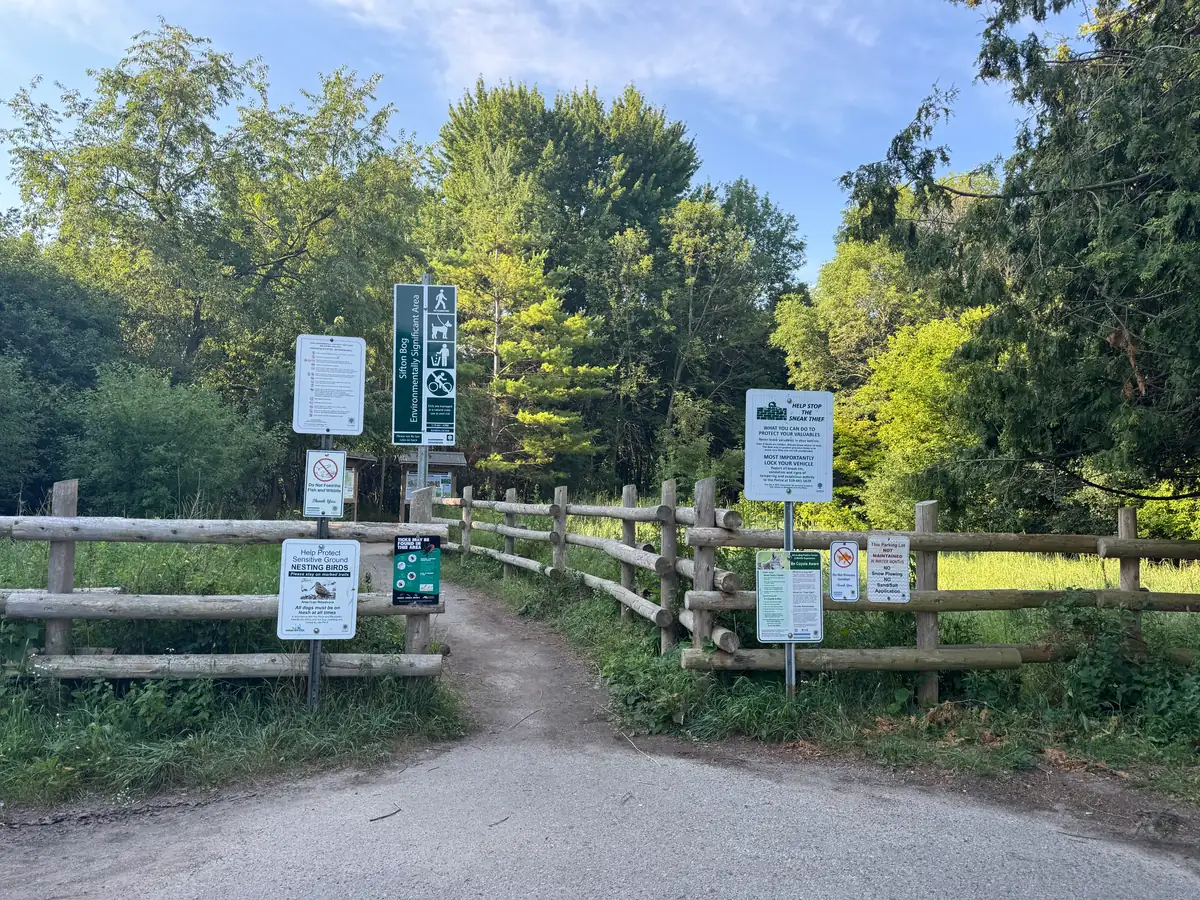
Sifton Bog Conservation Area
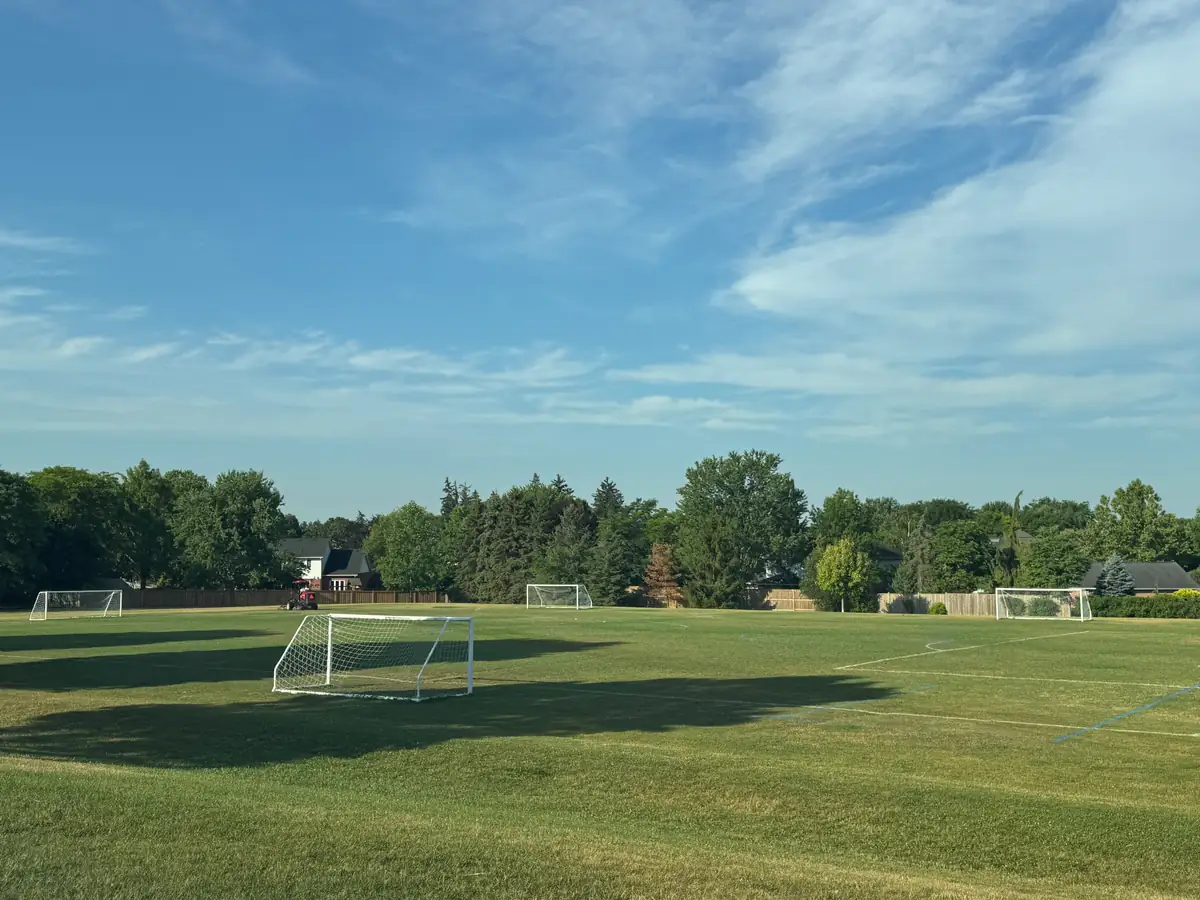
Hazelden Park
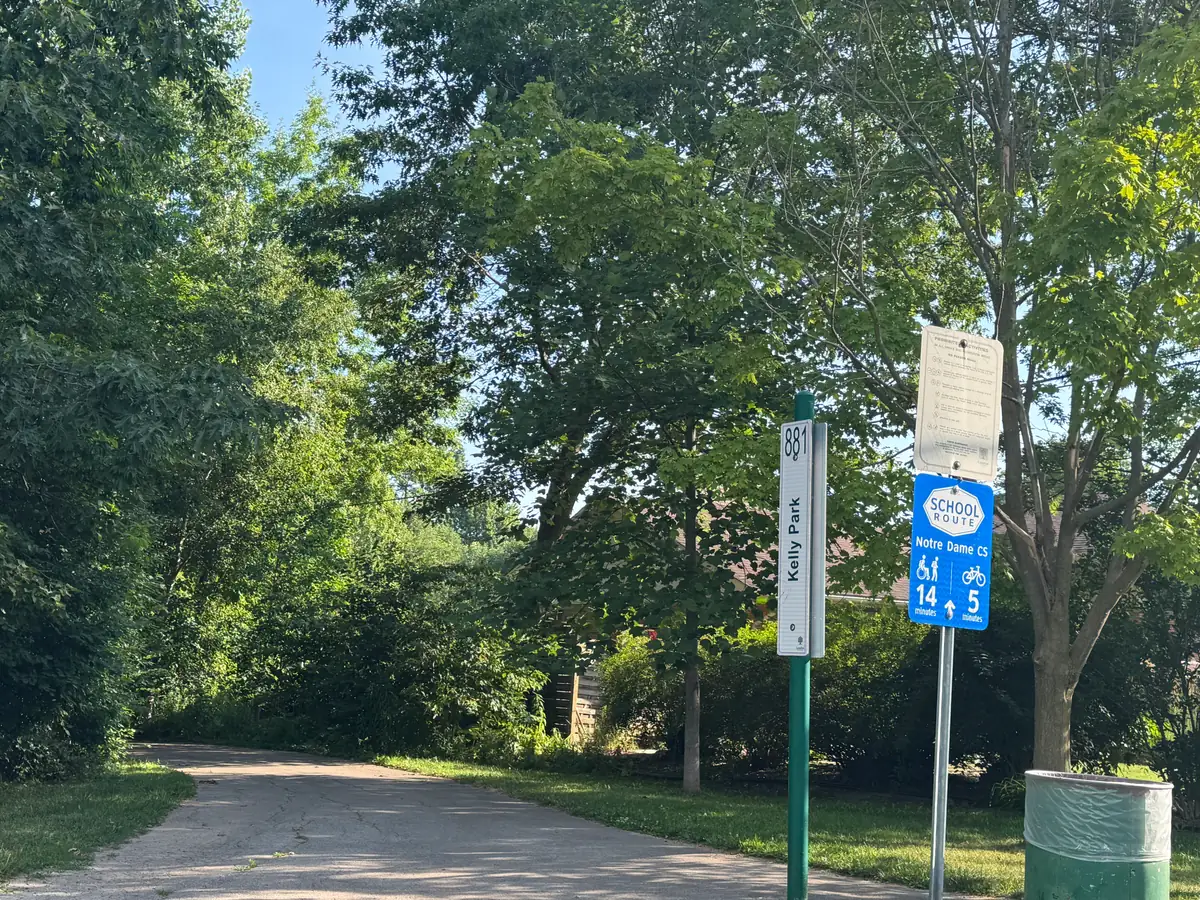
Kelly Park
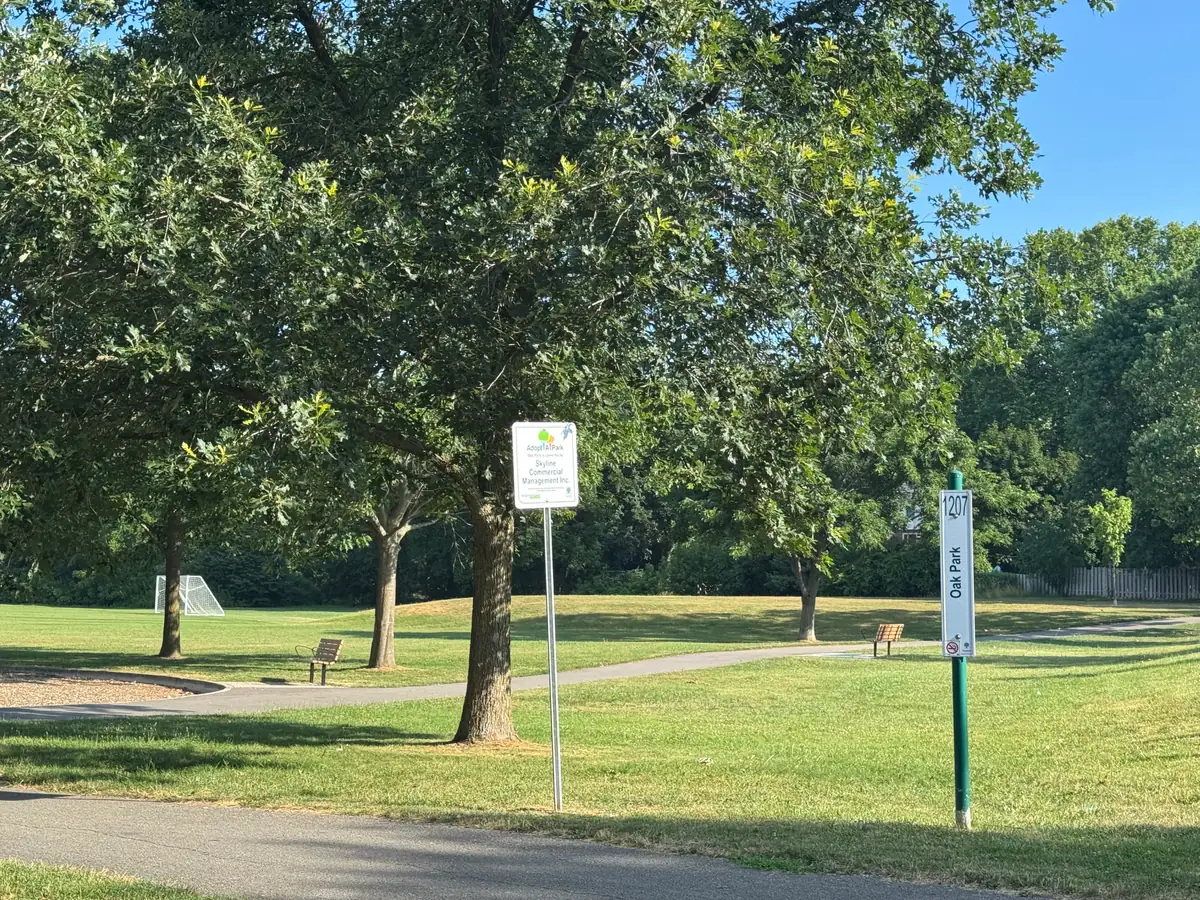
Oak Park
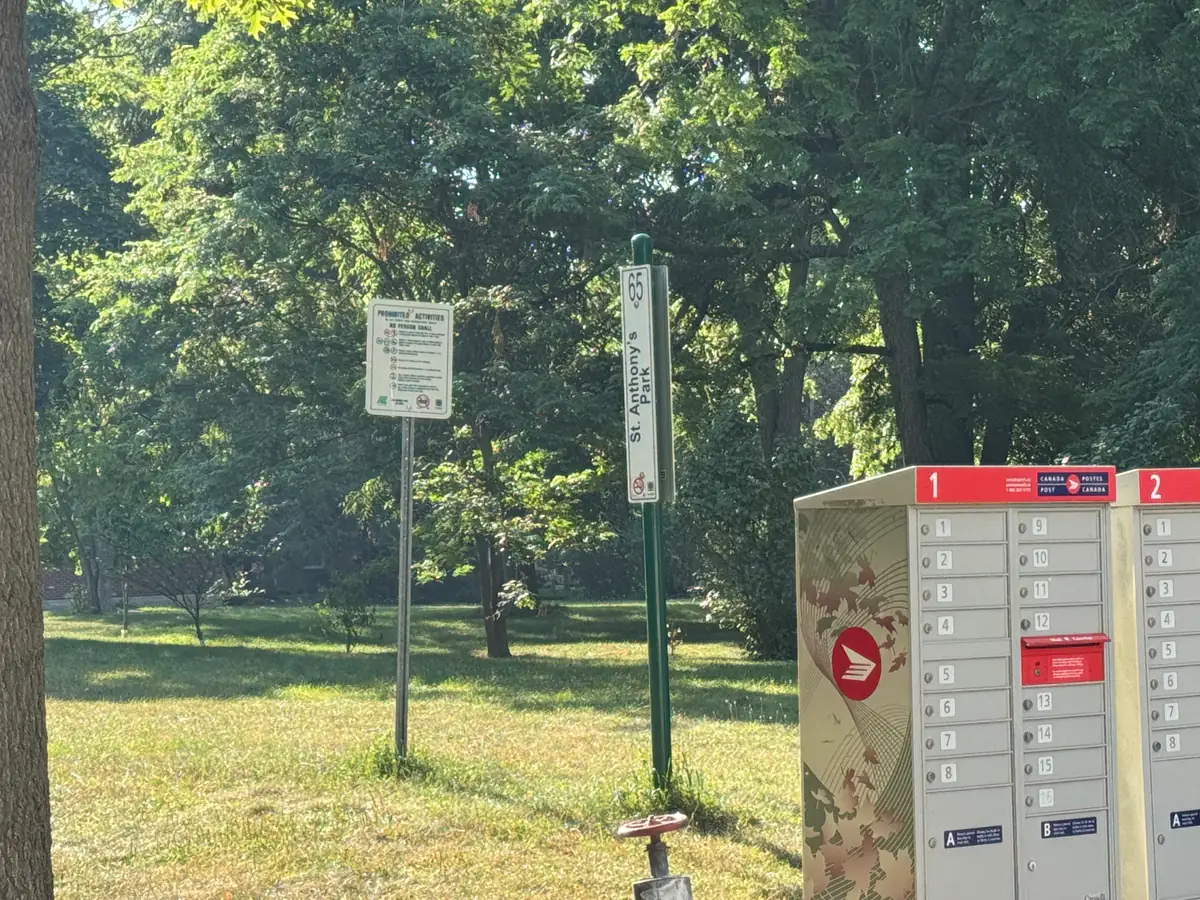
St. Anthony's Park
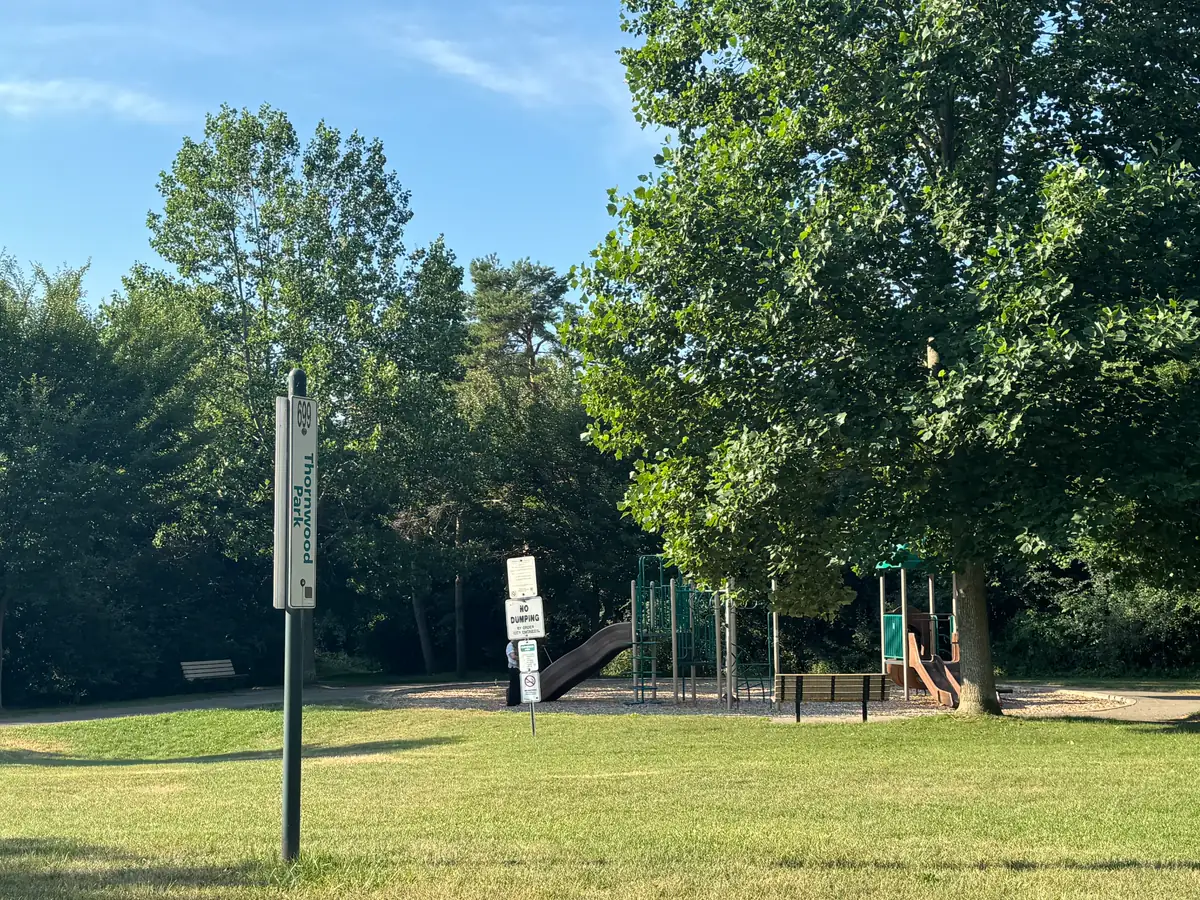
Thornwood Park
Thames Valley Golf Course
Parks & Schools in Oakridge
Local History of Oakridge
Oakridge sits on land with deep roots in West London history — street names that preserve forgotten stories, and a golf course where Canadian champions once played.
Hazelden Lane
circa 1890sMost street names in London honour people — Hazelden Lane honours a house. "Hazelden" (now 1132 St. Anthony Road) was the gracious summer retreat of the Little family, surrounded by hazel trees and set amid sweeping lawns. It was a landmark neighbours and visitors knew by name, and when the street was named, it was the house they chose to remember.
Sanatorium Road
circa 1900At the turn of the 20th century, tuberculosis was the leading cause of death in Ontario. Organizations formed across the province to build sanatoria — facilities where patients recovered through fresh air, rest, and treatment. Sanatorium Road takes its name from the facility built here on London's western edge, where open countryside offered the conditions doctors prescribed. The sanatorium is gone; the road remains.
Thames Valley Golf Course Is Born
1924Thames Valley exists because E.V. Buchanan, general manager of London's Public Utilities Commission, came home from a trip to England impressed by the public golf courses he'd seen on riverfront public land. The Commission owned 100 acres along the Thames — originally acquired for the city's water supply wells, not recreation — and Buchanan saw no reason the land couldn't do both jobs. No public funds were ever spent to build or operate it. The course was designed, built, and run by John Innes, a wounded WWI veteran and PGA of Canada professional with no prior course-design credentials, who opened it as six holes on June 15, 1924.
Opening Day of the Classic Course
July 29, 1933By 1933, Innes had grown Thames Valley into a 6,110-yard championship 18-hole layout, financed by an extra 26 acres bought from local farmers for $10,784. Its grand opening drew four of the biggest names in golf: Sandy Somerville — the London-born U.S. Amateur champion — Jack Nash, Joe Kirkwood, and Gene Sarazen, all playing an exhibition match in front of one of the largest galleries the region had seen. Oakridge's own Thames Valley Golf Course had arrived as a genuine championship venue, a title it holds to this day.
Flood, War, and a Course Reborn
1937–1946Thames Valley's early success survived a battering. The Great Flood of 1937 sent the Thames over its banks, submerging the pump house and much of the course. Three years later, with Canada at war, the Department of National Defence took over the grounds as a training camp — by 1942, more than 5,000 soldiers trained there and golf became impossible. The course didn't reopen until 1946. Much of the camp's original infrastructure never left: the water fountain beside the 5th tee on the Classic course still runs through pipes the army laid in 1940.
Byron Bog Becomes Sifton Bog
1967Long before it was a protected nature reserve, the wetland at Oakridge's doorstep had a different name. Known as "Byron Bog" for decades — it sat within the boundaries of the old Village of Byron before amalgamation — it was renamed Sifton Bog in 1967 after Sifton Properties Limited, the same company building Oakridge, donated the land to the city. At its centre, Redmond's Pond was once a 23-hectare glacial lake that has been quietly filling with peat for roughly 10,000 years; today it has shrunk to just 0.2 hectares, sitting atop a peat layer measured at 18 metres (60 feet) deep.
Archival Photos
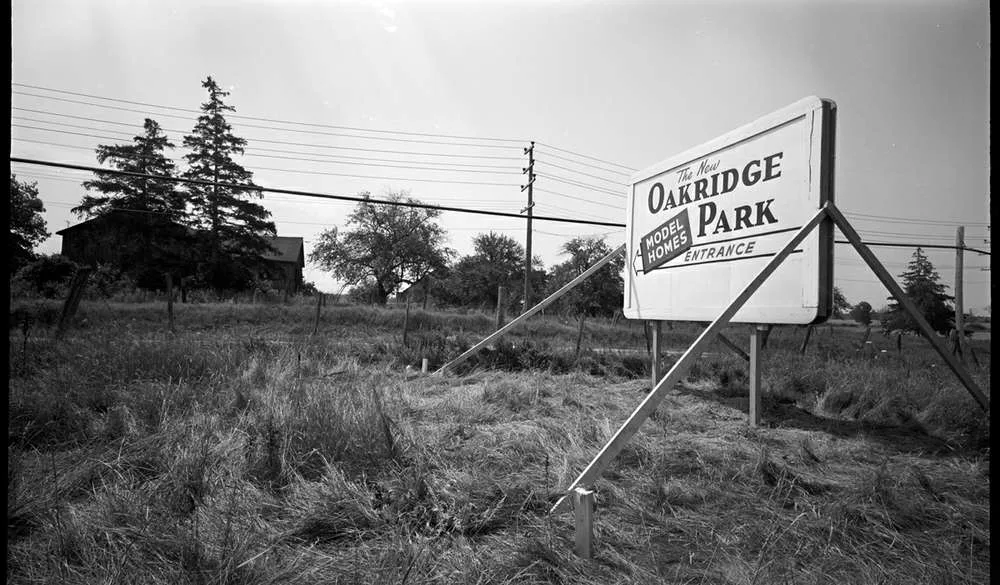 circa 1961
 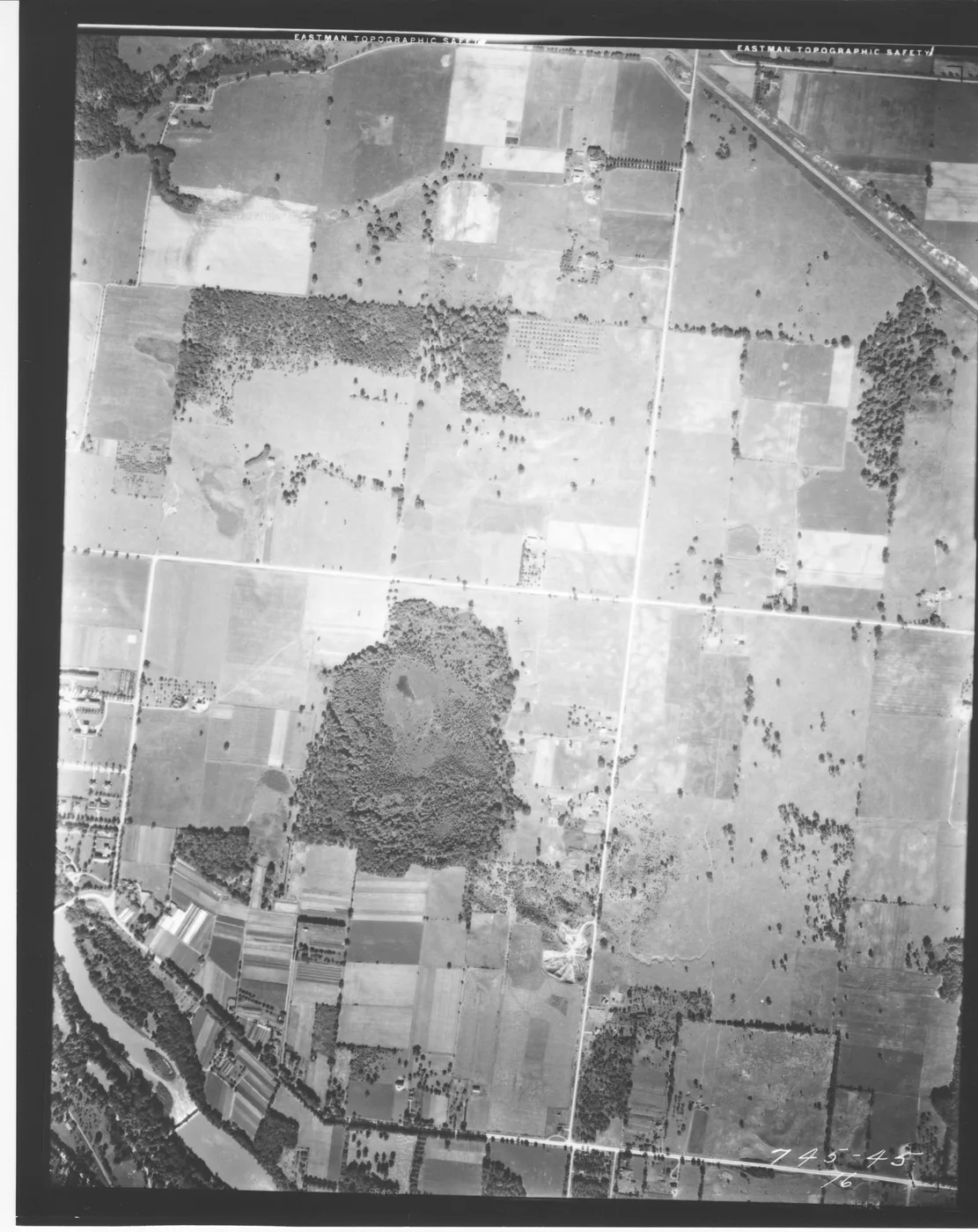 1942
1942 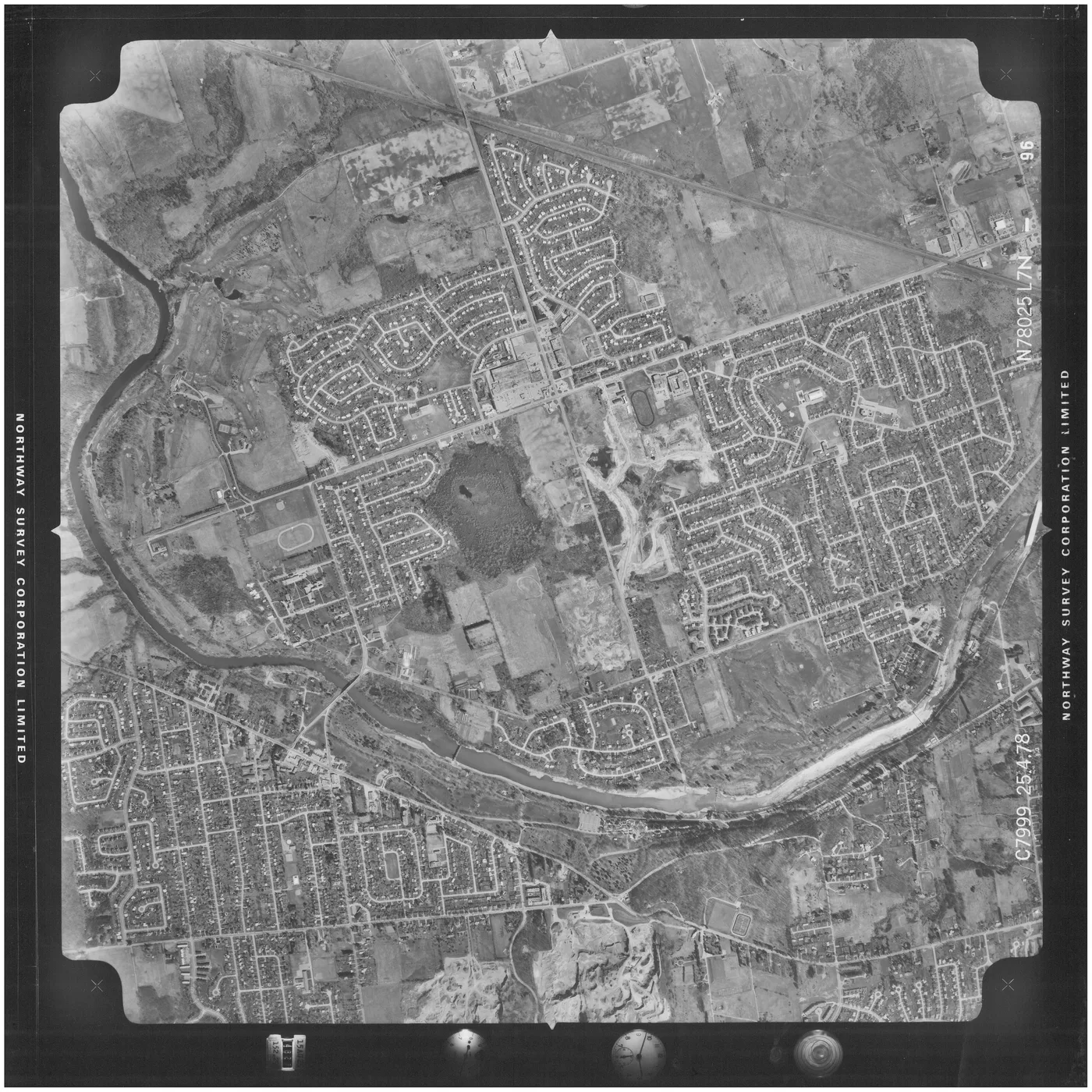 1978
1978 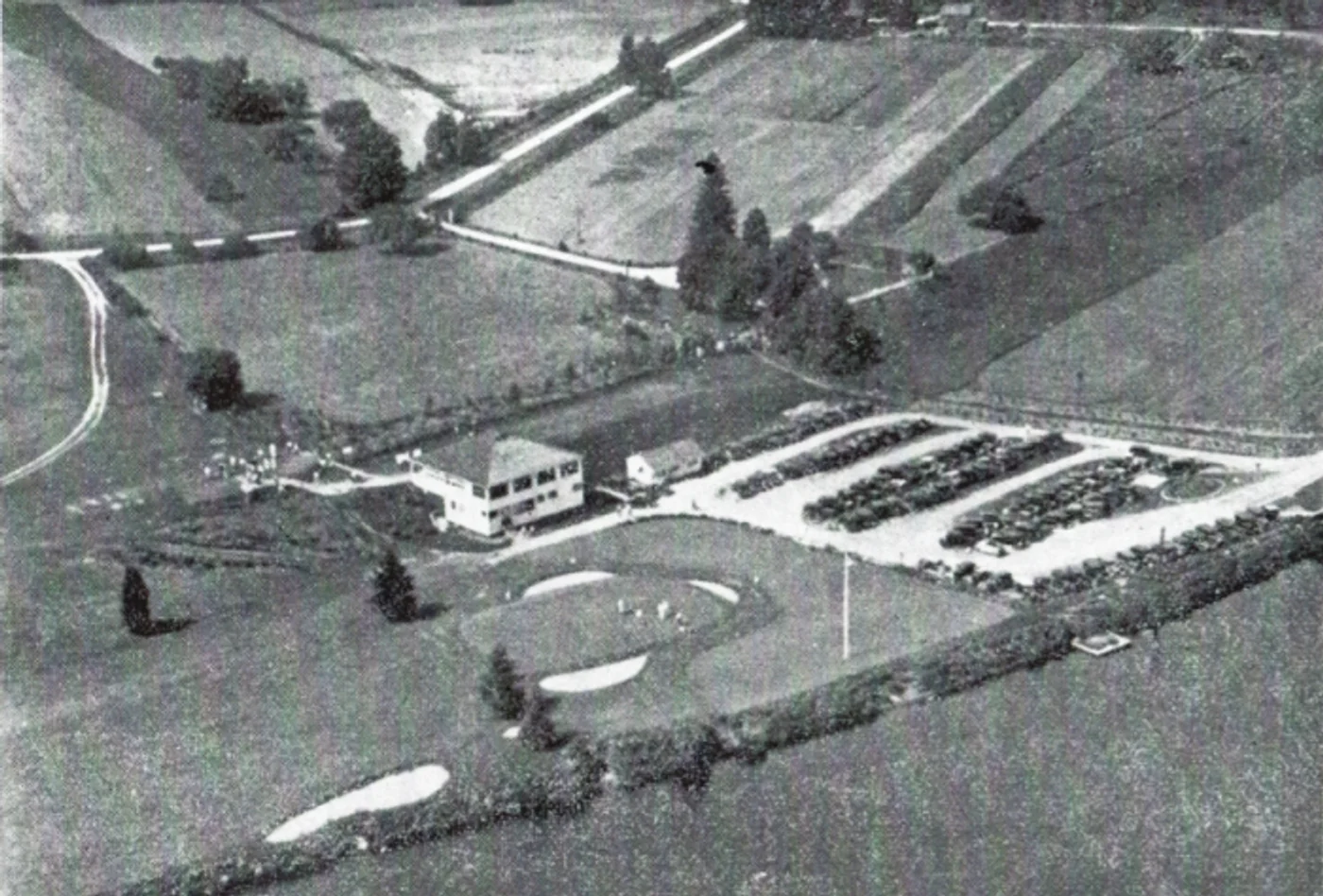 circa 1930s
 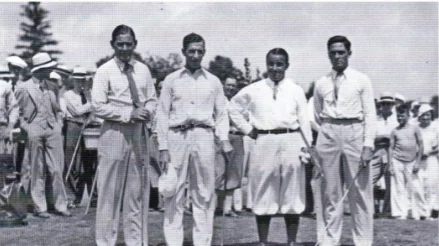 July 29, 1933
 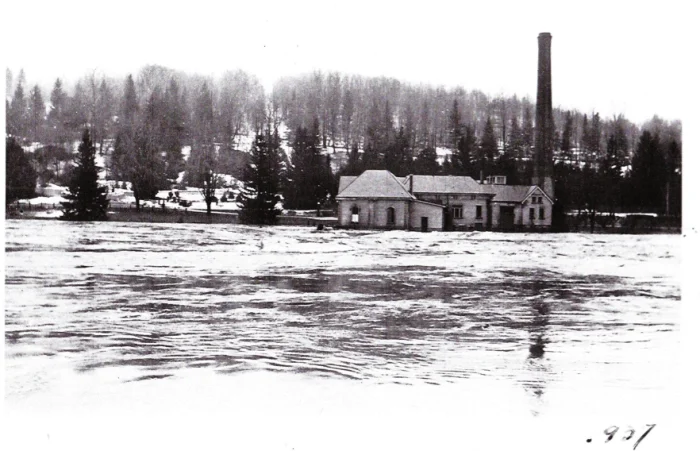 1937
1937 By the Numbers — Oakridge
Neighbourhood demographics and building activity for Oakridge, London Ontario.
Neighbourhood Profile
Source: City of London Neighbourhood Profile (Statistics Canada Census data)
Building Activity
Established neighbourhood — most permit activity is renovations, additions, and basement conversions on existing lots rather than new builds
Sifton Properties continues building on Oakridge's own northern edge in Deer Ridge and Oakridge Crossing (south of Sarnia Road, between Wonderland and Hyde Park), with new condos, townhomes ($480K–$680K), and detached homes pushing past $1M
New Riverbend Public School (1000 Upperpoint Ave, $27.1M) ranked among London's top 2025 building permits — opening September 2027, serving the west-end catchment
London issued a record 5,462 new residential units citywide in 2025 — a 48% increase over 2024 — strengthening demand for established addresses like Oakridge
Sifton Properties' Riverbend Golf Community (400+ new homes, 1200 Sandy Somerville Drive) adds premium inventory to the adjacent west-end market
Inside Oakridge — Four Distinct Communities
Oakridge is not one neighbourhood — it is four. Each pocket has its own character, its own streets, and its own reason to call it home.
Oakridge Acres
Oakridge Acres is the original — the heart of what "Oakridge" means to London. Sifton Properties broke ground here on October 12, 1950, building 1,649 homes across 74 acres in what would become the defining residential development of West London's postwar era. The street names carry a deliberate Irish identity — Dolway, Donegal, Dunedin, Kildare, Solway — and they give the neighbourhood a cohesive character that still feels intentional seven decades later. The Optimist Club of Oakridge Acres was chartered in 1957, just seven years into the neighbourhood's life, and has been the organizational heartbeat of community life here ever since.
The homes south of Oxford Street are the original Sifton builds — 1950s and 1960s single-family detached homes on genuinely wide lots with the spatial logic that came standard in that era: large basements, deep backyards, proper street setbacks, and room to live. Bungalows, cape-cods, and split-levels are the dominant styles. Many have been substantially updated over the decades while maintaining their footprints and lot lines. What buyers find here is the combination that is hard to manufacture in newer developments: established character on large land at prices that still represent real value in the West London market.
The community anchor is Oakridge Optimist Community Park at 825 Valetta Street — one of the most complete neighbourhood parks in London. The park has two baseball diamonds with a batting cage, an outdoor pool, a spray pad, tennis and pickleball courts, a renovated arena, and playground structures for all ages. The Optimist Club runs baseball and soccer programs serving over 2,000 youth each year, making it one of the most active neighbourhood clubs in the city. Kelly Park, at 881 Kelly Street, adds a quieter neighbourhood green space and trail connection nearby. For nature, Sifton Bog ESA sits on the south side of Oxford Street west of Hyde Park Road: 2.8 kilometres of trail with a 370-metre boardwalk to a viewing platform over Redmond's Pond. Formed 13,000 years ago as the last glacier retreated, Sifton Bog is the most southerly large acidic bog in Canada — home to carnivorous plants and rare ecosystems found almost nowhere else in southwestern Ontario.
Hunt Club
Hunt Club sits at the northwest corner of Oakridge, bordering the London Hunt and Country Club — one of Canada's oldest private golf clubs, established in 1885. The neighbourhood takes its name and character directly from that adjacency. This is where some of London's quietest and most coveted streets meet genuinely distinctive real estate: homes with fairway views, mature canopy trees, and a privacy that is rare within a city of this size.
Hunt Club divides naturally into two pockets. Old Hunt Club — the southern portion — carries the best of the original postwar stock: 1950s single-family homes on large, mature-treed lots with the hushed street character that buyers spend years looking for. Promenade Hunt Club, Kingspark Crescent, Fitzwilliam Boulevard, and Northumberland Road back directly onto the golf course, making them among the most unique residential addresses in London. The northern portion of Hunt Club offers late-20th-century detached homes and townhouses — newer construction with the same prestigious address at more accessible price points.
Two neighbourhood parks serve Hunt Club directly: Oak Park at 1207 Hunt Club Drive and Cheltenham Park, each offering playgrounds, swings, and walking paths suited to the community's family character. The London Hunt and Country Club itself — with its private 18-hole course, tennis courts, and large clubhouse — has defined this neighbourhood's identity for 140 years and anchors its western edge. Elementary students attend Clara Brenton, John Dearness, or St. Paul Catholic elementary schools; French-language public education is available at École élémentaire Marie-Curie (40 Hunt Club Drive), part of the Conseil scolaire Viamonde. Secondary students attend Oakridge Secondary or St. Thomas Aquinas Catholic Secondary School.
Hazelden
Hazelden is the smallest and most quietly prestigious of Oakridge's four communities. It occupies the southeast corner of the broader neighbourhood, tucked between the Thames River Valley and the established residential streets around Riverside Drive. Riverside Drive itself acts as a natural dividing line: the older section to the south carries the original character of the area, while newer streets to the north reflect development that followed as the neighbourhood filled in through the latter half of the 20th century. The result is a community that feels curated rather than planned — intimate, mature, and unhurried.
The homes in Hazelden skew toward mid-century modern and postwar construction — the same era as Oakridge Acres, but with a different architectural feel given the topography and lot configurations closer to the river valley. The standout property in the area is Hazelden Manor at 1132 St. Anthony Road: a heritage-designated residence built in 1892 that predates the surrounding neighbourhood by decades. Its presence gives Hazelden a historical depth that the other Oakridge pockets do not share. Buyers in Hazelden are typically looking for something quieter and more private than the more active street life of Oakridge Acres — and they find it here.
Two parks anchor Hazelden's green space: St. Anthony's Park at Hampton Crescent, which features a tennis court and open space, and Hazelden Park, which has a baseball diamond, soccer field, playground structures, and swings. The Thames River Valley trail network is accessible from the southern edges of the neighbourhood, offering off-road walking and cycling into the broader Sifton Bog and Thames Valley system. For daily conveniences, residents are well placed between two commercial nodes: Boler Road at Commissioners Road to the south, and Hyde Park Road at Oxford Street to the north.
Oakridge Park
Oakridge Park developed in the early 1960s as a natural continuation of the Oakridge Acres build-out, filling in the land north and west as the original Sifton project was completed. It carries the same foundational DNA: low-density single-family residential, consistent lot sizes, and a street-level calm that reflects the design priorities of postwar suburban London. The distinction from Oakridge Acres is modest but real — the homes here are slightly newer, and the tree canopy, while established, is a decade younger. For buyers, Oakridge Park offers the same fundamental value proposition of Oakridge Acres at a sometimes more accessible entry point.
The dominant home style is the same mix of bungalows, split-levels, and two-storeys that defines the broader Oakridge neighbourhood — detached, owner-occupied, and well-maintained. Oakridge Park has not been heavily redeveloped and retains its original residential scale. Lot coverage remains modest, gardens are deep, and the neighbourhood has the feel of a community where people have lived for decades rather than one that turns over constantly. First-time buyers who have been priced out of areas farther east often find that Oakridge Park represents their best opportunity to get into a genuinely established West London neighbourhood.
Oakridge Park shares the Oakridge Optimist Community Park at 825 Valetta Street — the neighbourhood's most complete recreational anchor, with its arena, pool, spray pad, baseball diamonds, and tennis and pickleball courts. Thornwood Park, at 699 Thornwood Drive, adds a closer neighbourhood playground and green space within the pocket itself. For golf, Thames Valley Golf Course sits at the southern boundary of the broader Oakridge area: established in 1924, it offers an 18-hole course and a 9-hole course running along the Thames River, and it is one of the few public golf facilities in London with genuine natural character. The combination of Optimist Park's organized sports programming and the Thames River Valley trail network gives Oakridge Park unusually good access to active outdoor life for a neighbourhood this close to the urban core.
Life in Oakridge
The amenities, parks, and local businesses that make Oakridge worth living in — not just worth buying in.
Remark Fresh Markets
A west London landmark since 2004, Remark Fresh Markets sits right at the Oxford & Hyde Park intersection. This is a family-run operation — Gerry Remark's name is on the door, and it shows in every aisle. Think premium produce, fresh-cut meats, house-baked goods, full-service deli, sushi, and specialty items you simply won't find at a big-box grocer. Remark changed the way west London shops for food, and Oakridge residents have been the biggest beneficiaries.
Oakridge Centre
At 1201 Oxford Street West, Oakridge Centre is the neighbourhood's major retail anchor — more than 35 stores under one roof, headlined by a Real Canadian Superstore, alongside a pharmacy, bank, and food court. For the everyday big-basket grocery run or a full afternoon of errands without leaving Oakridge, this is where residents go.
Chopped Leaf
At 640 Hyde Park Road, Chopped Leaf brings chef-designed salads, wraps, and bowls to the neighbourhood. The London location is locally owned by a family who moved here specifically to build something good in this community — and it shows. Bold signature dressings, fresh ingredients, and fully customizable options for every dietary need. This is the lunch spot that makes eating well feel effortless.
Gordon's Gold Jewellers
A Oakridge institution since 1983 and a multi-time winner of London's "Best Jewellers," Gordon's Gold at 760 Hyde Park Road is west London's home for engagement rings, diamonds, custom goldsmith work, and rare gemstones. They hold American Gemological Society standing for ethical business practices and are proud members of the London Chamber of Commerce. The kind of local business that earns loyalty across generations.
Starbucks — Hyde Park Plaza
The Hyde Park Plaza Starbucks at Oxford & Hyde Park is one of west London's busiest coffee stops — and for good reason. It's become the daily ritual for Oakridge families: morning school runs, weekend coffee walks, after-practice pick-me-ups. Conveniently part of the same plaza as Remark and Shoppers, it anchors the Oxford & Hyde Park intersection as the true neighbourhood hub.
Shoppers Drug Mart
A full-service Shoppers Drug Mart anchors Hyde Park Plaza alongside Remark, offering prescriptions, Beauté Boutique cosmetics, a Canada Post outlet, and all the everyday essentials a family needs. Having a pharmacy and health hub this close to home is one of those practical advantages Oakridge residents quietly rely on every week.
Sifton Bog Conservation Area
One of the rarest natural features in any Canadian city — a genuine kettle bog preserved within the urban fabric of west London. Officially designated a Class 2 provincially significant wetland and jointly managed by the City of London and the Upper Thames River Conservation Authority, Sifton Bog is home to carnivorous plants — including sundews (Drosera intermedia and Drosera rotundifolia) and the purple pitcher plant (Sarracenia purpurea) — migratory birds, and a unique ecosystem found almost nowhere else in southwestern Ontario. The walking trails are just minutes from most Oakridge homes. Having something like this as a backyard amenity is something money genuinely cannot buy elsewhere.
Oakridge Optimist Community Park
The neighbourhood's social and athletic heart. Run in partnership with the Optimist Club of Oakridge Acres — chartered since 1957 — the park hosts baseball diamonds, soccer fields, tennis courts, and a splash pad. The Optimist Club's sport programs serve over 2,000 local youth each year. It's where kids grow up, where neighbours meet, and where the community spirit that makes Oakridge special is built and maintained.
Services in Oakridge
Justin provides full-service real estate guidance for houses and homes for sale in the Oakridge market.
Buy in Oakridge
Find your perfect home in Oakridge with a local guide who knows every street.
Search HomesSell in Oakridge
Get top dollar for your Oakridge home with Justin's proven marketing system.
Get a QuoteComplimentary Home Evaluation
Find out what your Oakridge home is worth in today's market — complimentary, no obligation.
Book EvaluationReady to Make a Move in Oakridge?
Whether you're buying, selling, or just curious about your home's value — Justin is the local expert you want in your corner.
Send Justin a Message
Message sent!
Justin will get back to you shortly.
Frequently Asked Questions
Common questions about buying and selling in Oakridge, London Ontario.
Are there homes for sale in Oakridge, London Ontario right now?
How much do homes cost in Oakridge, London Ontario?
Is Oakridge a good place to buy a home in London Ontario?
What are the schools like in Oakridge?
Have a question not answered here?
Ask Justin Directly